Clarity
Use matching units, scope and named delivery terms across quotations.
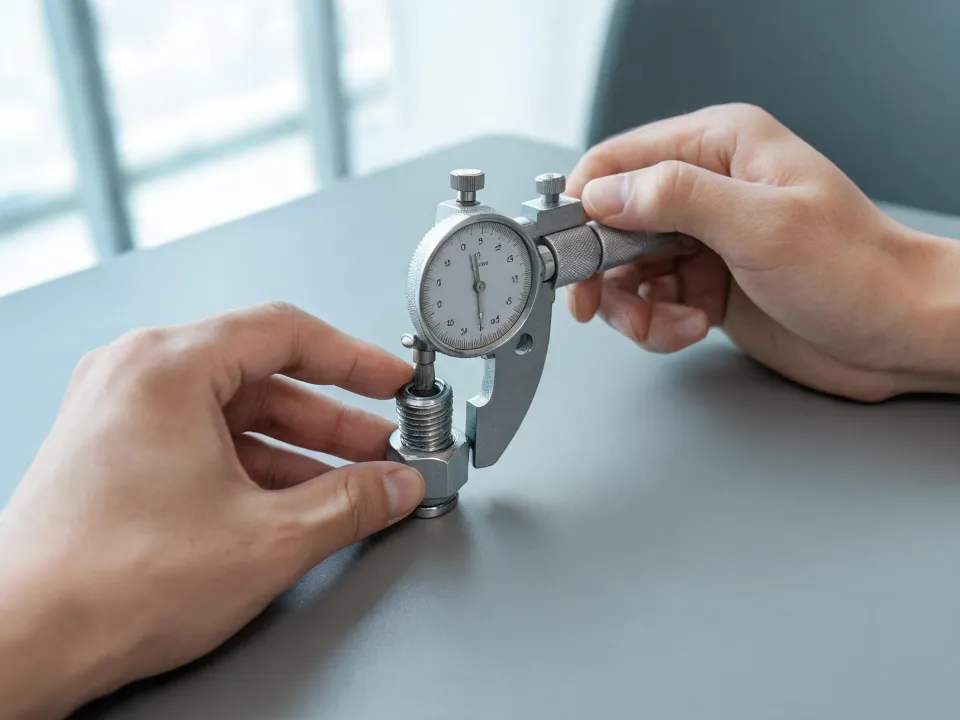
The role behind the desk
McGard coordinates China sourcing for overseas buyers of wheel-end parts. We work independently of the original brand and its distribution network. Buyers use part references to describe the application and decide what supplier evidence they require.
A quotation for a wheel fastener can be commercially complete while leaving out the seat profile that determines how it mates to the wheel. Our work starts where a product name stops. We help turn fitment questions into an RFQ a supplier can answer and an inspection party can use.
A stocked fastener can simplify replenishment if the seat and thread match the drawing. A custom profile adds a sample and approval step. The buyer decides which deviations to accept and who can approve the release.
Put the mating part and the drawing revision on the first page of the RFQ.
Use matching units, scope and named delivery terms across quotations.
Connect claims to a supplier, a location and a part revision.
Keep coordination, independent checks and the buyer's approval distinct.
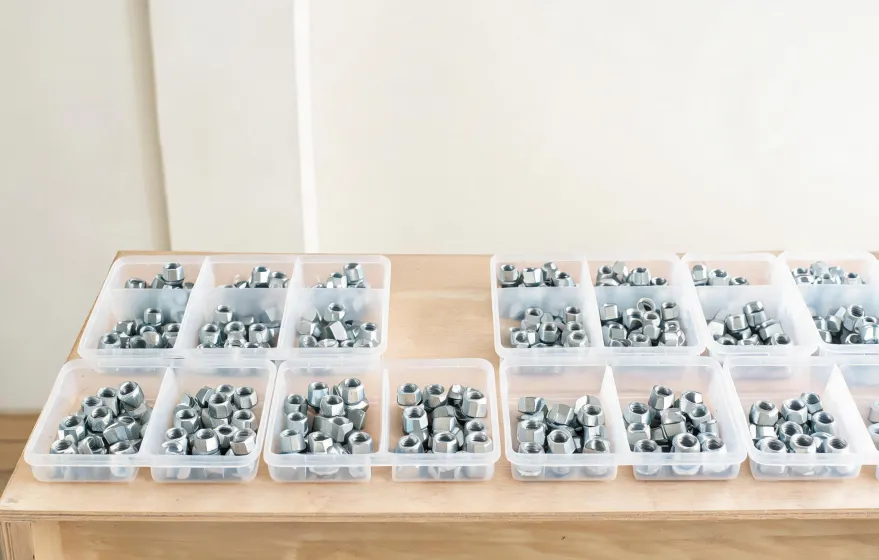
Document cone-seat and ball-seat variations separately so pack labels, images and listings describe the same hardware. Ask for the cone angle or ball-seat radius and the thread pitch. Have the sample reviewer record the fastener and mating wheel references before approving the SKU label.
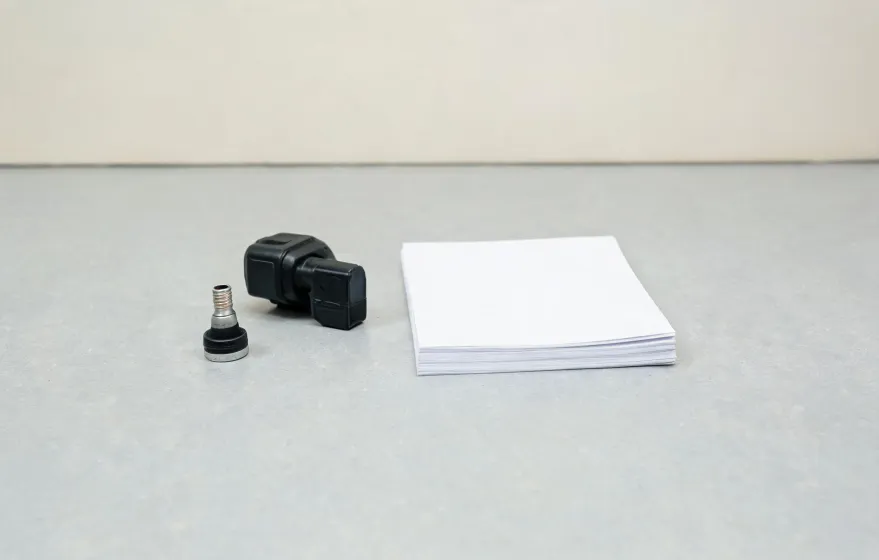
Define which stem, grommet, nut and cap ship in each valve kit. Compare the valve bore and seal stack on a reference wheel. Record the kit revision next to the fit check so the buyer can review replenishment against the same configuration.
Identify the conflicting references, pending drawing or unanswered specification question.